
"African washed process"
1000 article(s) found

Detailed introduction of the method of Variety treatment in African and Ethiopian Coffee producing areas
Ethiopia, also known as Ethiopia, is a landlocked country located in the Horn of Africa and the most populous landlocked country in the world. Ethiopia is revered as the birthplace of coffee-Arabica (Arabica), with rich native varieties and a wide range of genetic sequences, many of which can not be found in other countries. Most of Ethiopia's coffee is made of

Honey-treated Nicaraguan Coffee Lemon Tree Manor Coffee Flavor and taste Manor
Lemon Tree Manor also processes coffee in a honey-treated way. After the coffee fruit is actually picked, the coffee with its exocarp removed is put on the African shed to dry. Compared with the traditional way of placing coffee directly on the ground to dry coffee, using African shed to dry coffee can reduce more pollution in the drying process, avoid producing more miscellaneous smell, and finally improve the quality of coffee.

Description of flavor and aroma of Ethiopian washed Sidamo G1 Hilameli coffee
Professional baristas please follow the Coffee Workshop (Wechat official account cafe_style) products: Ethiopia washed Sidamo G1 Ethiopia Sidamo Chire Ameli G1 Washed flavor description: rose, citrus, elegant acidity, peach, caramel mild and clean balance, long, lively and varied fruit flavor. Ripe berries have more flavor.

Which brands of Tanzanian coffee wash Tanzanian coffee beans with blackcurrant flavor
Professional coffee knowledge exchange more coffee bean information please follow coffee workshop (Wechat official account cafe_style) Tanzania Coffee Coffee growing area: African Coffee species: medium concentration Coffee description: refreshing acidity and medium mellow complement blackcurrant and sweet orange flavors: washing with flavors: blackcurrant, orange and lemon-like coffee

A brief introduction to the history and culture of the origin and development of glossy African Kenyan boutique coffee beans
[new beans listed] SASINI Manor PB, Kenya: the farm is located in the highlands of central Kenya? Sika district, northeast of the capital Nairobi? The mountains of Aberdale? Mount Kenya Manor near Kirinaga name:? Sasini Manor Variety: Ruiru 11, Arabica and Bourbon varieties altitude: 1700 m Grade: round Bean treatment: washing treatment, Bean grading, defects

Rwanda coffee bean flavor taste aroma description what are the characteristics of Rwanda coffee beans?
Professional coffee knowledge exchange more coffee bean information please follow the coffee workshop (Wechat official account cafe_style) Rwanda (Rwanda) coffee varieties, more than 95% are Arabica Bourbon, a small number are Catuai and Kaddura (Caturra). The planting height is between 1200 and 1800 meters above sea level. The flowering period is from September to October every year

The aroma of orange and berry is the most important feature of African beans, and it also attracts coffee fans to delve into it.
For more information on coffee beans, please pay attention to the coffee workshop (official Wechat account cafe_style). Characteristics of African coffee: charming sour African bean flavor: strong orange flavor of Ethiopian coffee, strong berry flavor of Kenyan coffee, sour aromas of black plum juice and grapefruit, and sweet smell of sugar cane. The orange aroma of Ethiopian coffee

Taste and flavor of Rwanda washed bourbon coffee characteristics of Rwanda washed bourbon
Professional baristas please follow the coffee workshop (Wechat official account cafe_style) Rwanda coffee, like many African countries, is mainly produced by small farmers, and the ripe coffee cherries are collected and sent to the processing station for processing every year at harvest time. During the annual harvest period, the ripe coffee berries picked by farmers are concentrated at the treatment station for treatment. they are first selected by hand to ensure that there is no immaturity.

Organic washing processing of coffee beans in Xipi Waterfall, Uganda
The cultivation of coffee in Uganda is all small-scale family operation. The livelihood of 25% of the population is closely related to coffee production. About 500000 farms grow coffee, but mainly Robster. Robster accounts for 90% of coffee production, and the remaining 1 is Arabica coffee. Arabica and Live Buster are harvested from October to February of the following year. Ugandan coffee

Ethiopian Honey Processed Coffee Bean Flavor Features Honey Processed Coffee Guji Chirissa How to Make
Professional coffee knowledge exchange More coffee bean information Please pay attention to coffee workshop (Weixin Official Accounts cafe_style) Ethiopia Guji Chirissa Ethiopian honey treated coffee beans before being placed in African shed for exposure, using local traditional peel remover to remove pulp, retaining about 20%-30% pectin. Then put it directly on the African shed for dry fermentation 48 hours

Hill Ameli water washing factory specializes in customized coffee raw beans to introduce the quality of washed Sidamo coffee.
Professional barista exchange please follow the coffee workshop (Wechat official account cafe_style) Ethiopian washed Sidamo G1 Ethiopia Sidamo Chire Ameli G1 Washed flavor description: rose, citrus, elegant acidity, peach, caramel mild and clean balance, long, lively and varied fruit flavor. The flavor of ripe berry is more mild.
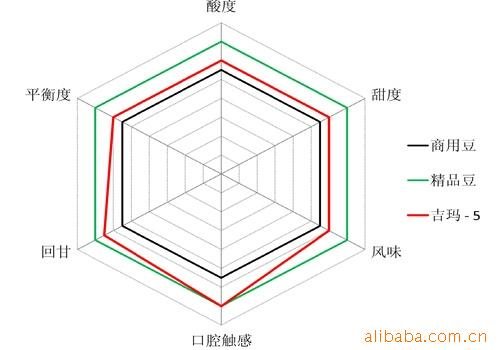
African Coffee Manor Ethiopia Gemma Coffee Raw Bean DjimmaG4 Sun Mocha Flavor
CONTENT [product name] Gemma Djimma [place] Ethiopia (Ethiopia) [place] sun [baking] recommended baking degree: deep baking [cup review] slightly sour, full and complex palate, special fruity aroma (similar to earthy or herbaceous) Gemma is close to Harald's complex wildness in style, slightly bitter on the palate, low acidity, warm and full-bodied taste.

"Yega Snow Coffee" Fine African Coffee Coffee characteristics Coffee beans Coffee
The term "fine coffee" was first put forward by Ms. Knudsen of the United States in Coffee and Tea magazine. At that time, Ms. Knudsen, as a coffee buyer at B.C. Ireland in San Francisco, was very dissatisfied with the neglect of the quality of raw coffee in the industry, and even some big roasters mixed a large amount of Robesda beans in the comprehensive beans, so she put forward the concept of boutique coffee.

African style elevated solar method, fine coffee is loving the new processing model
Professional barista exchanges, please pay attention to coffee workshop (Weixin Official Accounts cafe_style) solarization method. In the past, it was only a treatment method specially used to treat inferior coffee beans. With the evolution of time, it also began to have new development and gradually became the favorite of many fine coffees. Let's briefly talk about the process of traditional solarization method. Traditionally, coffee cherries are placed on terraces made of asphalt or cement.

The wild taste of Ethiopia Xiachisuo coffee production area planting market environment brief introduction
Washed Yerga Sherfi is one of the world's finest high quality coffee, with soft acidity and rich body. Top and Bebeka coffee, low in acidity but high in body, is an indispensable member of blended coffee. Ethiopian washed coffee Yirgacheffe G1 G2 Sidamo. The highest grades are Grade II and Grade III (G2, G3). Sun-processed in eastern Ethiopia.

African Gilima Manor Tanzania Kilimanjaro Pearl PB Coffee beans
Mount Mt Kilimanjaro, the highest peak in Africa, stands in the northeast of Tanzania, known as Trusteeship after World War I. it was once under British colonial rule and became independent in 1964. Bourbon strain coffee was first introduced and planted in 1893, raw beans were mainly treated with water washing, and high-quality high-altitude Tanzanian coffee was of good quality, just like Kenya has active and bright acid performance. Tanzania
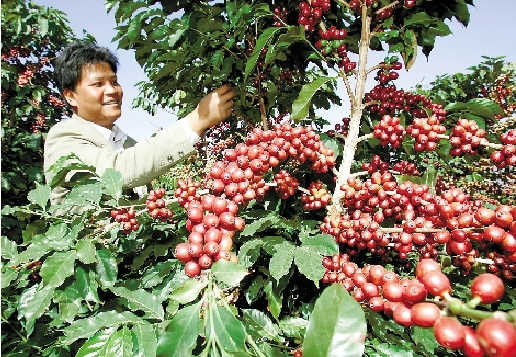
The flavor of African Ethiopian sun-dried Yega coffee beans
It has been a wetland since ancient times, and the ancient saying [yirga] means "settle down], and [cheffe] means [wetland], so [Yega Xuefen] means [let us settle down in this wetland]. It is one of the coffee producing areas with the highest average elevation in Ethiopia. Yejia snow caffeine is washed with water, but there are also a few excellent beans engraved in the sun to enhance the charming fruit aroma.

Cultural ceremony of coffee in Ethiopia and Ethiopia how to drink COE22 and TOH coffee beans and their flavor and taste description
In addition to its rich biological origin, coffee also plays an important role in the culture of this country. The coffee ceremony (Coffee Ceremony) is part of the life of the Ethiopian people and dates back to centuries. Every morning, the women in the family bake fresh coffee and spices on the wacheff. Freshly roasted coffee beans are finely ground, carefully roasted and put in
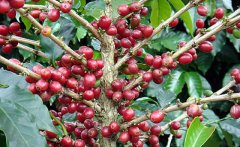
Ethiopian coffee producing areas are divided into east and west parts by the East African Rift Valley.
Boutique coffee (specialty coffee) is also called specialty coffee selection coffee. It refers to coffee made from a small number of raw beans with excellent taste grown in an ideal geographical environment. Depending on the special soil and climatic conditions in which they grow, they have outstanding flavor. After strict selection and classification, this kind of coffee is hard in texture, rich in taste and stylish.
General knowledge of Coffee Culture African Coffee Native Americans like to chew Coffee & #8206
One thing I am very curious about is that coffee comes from Africa, but in many parts of Africa, especially in small towns and villages, few people drink coffee. This time I visited the hometown of Uganda, which is rich in coffee, and this question can basically be answered. In the village of Budadiri in Mombali, a small town near the Kenyan border in Uganda, there are many coffee farms, so-called farms, but